Running a small or medium-sized enterprise (SME) requires more than selling products or delivering quality services. Business owners must manage finances, track sales, maintain customer relationships, monitor inventory and coordinate daily operations, often with limited resources.
For many SMEs, these responsibilities are handled through notebooks, spreadsheets and multiple disconnected applications. While these methods may work when a business is small, they can become difficult to maintain as the business grows.
Digital tools offer a practical way for SMEs to organise their operations, improve efficiency and make more informed business decisions. With the right systems in place, business owners can spend less time managing scattered information and more time building their businesses.
Why SMEs Need Better Business Management Systems
A business can generate revenue and attract customers while still struggling with its internal operations. Inconsistent financial records, missed customer follow-ups, poor inventory visibility and unclear staff responsibilities can affect productivity and limit growth.
These challenges often arise when essential business activities are managed separately, without a reliable system connecting the information.
For example, a retailer may struggle to reconcile sales with available stock. A service provider may find it difficult to track customer enquiries and ongoing projects. A growing company may have financial records in one spreadsheet, employee information in another and sales data in a separate application.
An integrated business management platform for SMEs can help bring these activities into a more organised environment.
By improving access to business information, digital management systems can help owners monitor performance, maintain more consistent records and identify areas that require attention.
Six Areas Where Digital Tools Can Improve SME Operations
1. Finance and accounting
Understanding a business’s financial position is essential for sustainability. Business owners need to track income, expenditure and transactions to assess performance and plan ahead.
Digital finance and accounting tools for SMEs can help organise financial information, improve record-keeping and support better financial oversight.
2. Sales and customer management
Customers are central to every business, but managing relationships becomes more complex as a customer base expands.
Digital sales and customer relationship management tools can help businesses organise customer information, track sales activities and manage follow-ups more consistently.
3. Inventory and procurement
For businesses that sell physical products, knowing what is available, what needs replenishing and what is moving quickly can make a significant difference.
With digital inventory and procurement management, SMEs can improve stock visibility, organise purchasing activities and strengthen oversight of their resources.
4. Human resources and workforce management
As businesses hire employees, coordinating responsibilities and maintaining employee records become increasingly important.
Digital workforce management solutions can help SMEs organise employee information and establish more structured administrative processes.
5. Tasks, projects and workflows
Without clear responsibilities and processes, tasks can be delayed, duplicated or overlooked.
Using digital task and workflow management tools can help business owners assign responsibilities, coordinate activities and monitor progress across their teams.
6. Business reporting and performance monitoring
Business owners need reliable information to understand what is working and where improvements are required.
Business reporting and performance dashboards can provide greater visibility into operational activities, helping SMEs use available information to guide planning and decision-making.
SMECore: Bringing Essential Business Functions Together
One practical option for SMEs seeking to organise their operations is SMECore, an integrated business management platform designed for African businesses.
SMECore brings key business functions together, including finance and accounting, sales and customer relationship management, inventory and procurement, human resources, workflows, and business performance reporting.
Instead of relying entirely on separate spreadsheets and disconnected applications, business owners can explore SMECore’s integrated business management tools to find capabilities that address their operational needs.
Consider a growing retail business. Its owner needs to monitor sales, keep track of stock, understand expenses and manage customer relationships. Having these functions within a connected business management environment can make it easier to organise information and oversee daily activities.
Similarly, a service-based SME may need to coordinate projects, manage customer information, monitor financial records and assign tasks to employees. Digital tools can support these processes and help establish more consistent ways of working.
Supporting Startup Founders and Growing Businesses
For startup founders, building a business involves more than developing a product or attracting customers. They must also establish the operational systems needed to manage finances, track sales, organise resources and coordinate business activities effectively.
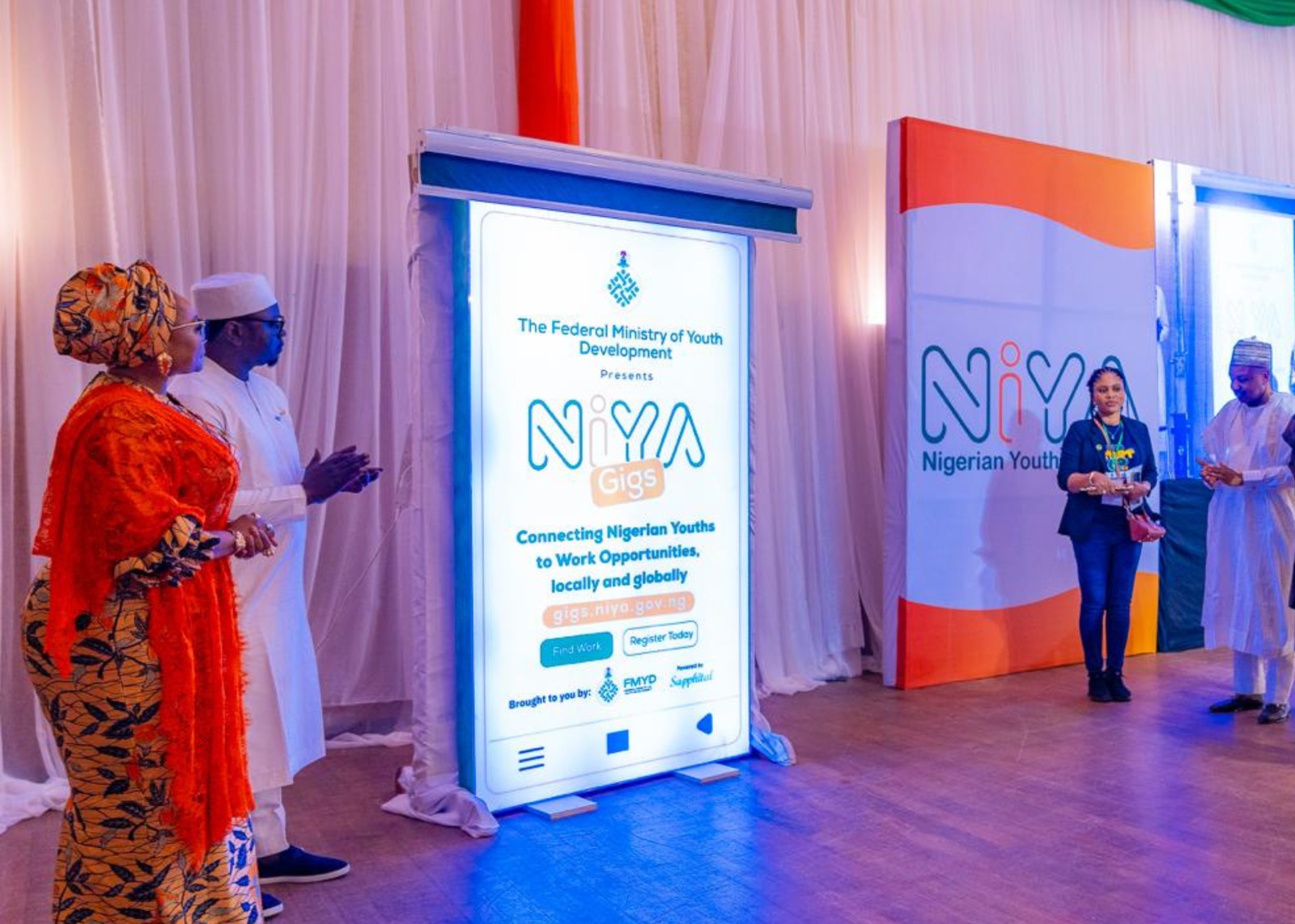
Recognising these needs, the founders of the Nigerian Youth Academy (NiYA) have made SMECore available to support startup founders and SME owners with the digital tools they need to manage their businesses and strengthen their operations. The initiative is supported by Sapphital, NiYA’s implementing partner.
Through its integrated business management capabilities, SMECore helps businesses organise essential functions, maintain structured records and gain better visibility into their operations. These capabilities can be particularly valuable for early-stage businesses seeking to establish sound management practices as they grow.
For existing SMEs, the platform offers an opportunity to improve how business activities are coordinated and monitored. For startups, it provides a practical way to adopt more structured approaches to business management from the outset.
By making digital business management tools available to entrepreneurs, this initiative highlights the importance of combining entrepreneurial ambition with the practical systems needed to build and sustain a business.
Startup founders and SME owners can visit SMECore to explore the platform and its available business management features.
Digital Skills and Digital Tools Must Work Together
Adopting technology is only part of the process. Business owners and their employees also need the knowledge to use digital tools effectively and integrate them into their everyday activities.
This is where digital learning plays an important role.
The SME Digital Academy supports SME learning and digital capacity-building, helping business owners develop knowledge that can contribute to stronger business practices.
When digital learning is combined with practical management systems, SMEs are better positioned to translate knowledge into action. Understanding the importance of financial management, for instance, becomes more useful when a business has a structured way to maintain its records and review its performance.
The combination of learning and implementation can help businesses develop better processes, improve operational visibility and make more informed decisions.
Business owners can visit the SME Digital Academy to explore learning opportunities that support SME development.
How SMEs Can Begin Their Digital Transformation
Digital transformation does not need to happen all at once. Business owners can begin by identifying the operational challenges that consume the most time or create the greatest risks.
A practical starting point includes:
- Review current processes. Identify where manual records, repetitive tasks or disconnected applications are creating difficulties.
- Prioritise immediate needs. Determine whether finance, sales, inventory, workforce coordination or reporting requires the most attention.
- Explore suitable digital tools. Compare available features and select solutions that address actual business requirements.
- Build employee capacity. Ensure that the people responsible for using the systems understand how to operate them.
- Maintain consistent records. Establish processes for updating information and reviewing business performance.
- Evaluate progress. Assess whether the tools are improving efficiency, visibility and the quality of business decisions.
The objective is not to adopt technology for its own sake. It is to use digital systems to solve real operational problems and build a stronger foundation for growth.
SMEs looking for an integrated approach to managing their operations can explore SMECore and assess how its available features align with their business needs.
Building More Organised and Competitive SMEs
Sustainable business growth depends on more than increasing sales. SMEs also need the internal systems to manage resources, maintain reliable records and respond effectively to changing business demands.
Digital management tools can help business owners organise their operations, while digital learning can equip them with the knowledge to use those tools effectively.
For SMEs ready to take the next step, two resources provide a starting point.
Build your digital capabilities: Visit the SME Digital Academy to explore learning opportunities that support SME development.
Strengthen your business operations: Visit SMECore to discover integrated tools for managing finance, sales, inventory, employees and other essential business functions.
The transition from spreadsheets to smarter systems is not simply a technology upgrade. It is an opportunity for SMEs to build more organised, informed and resilient businesses, better equipped to manage their operations today and pursue growth tomorrow.